
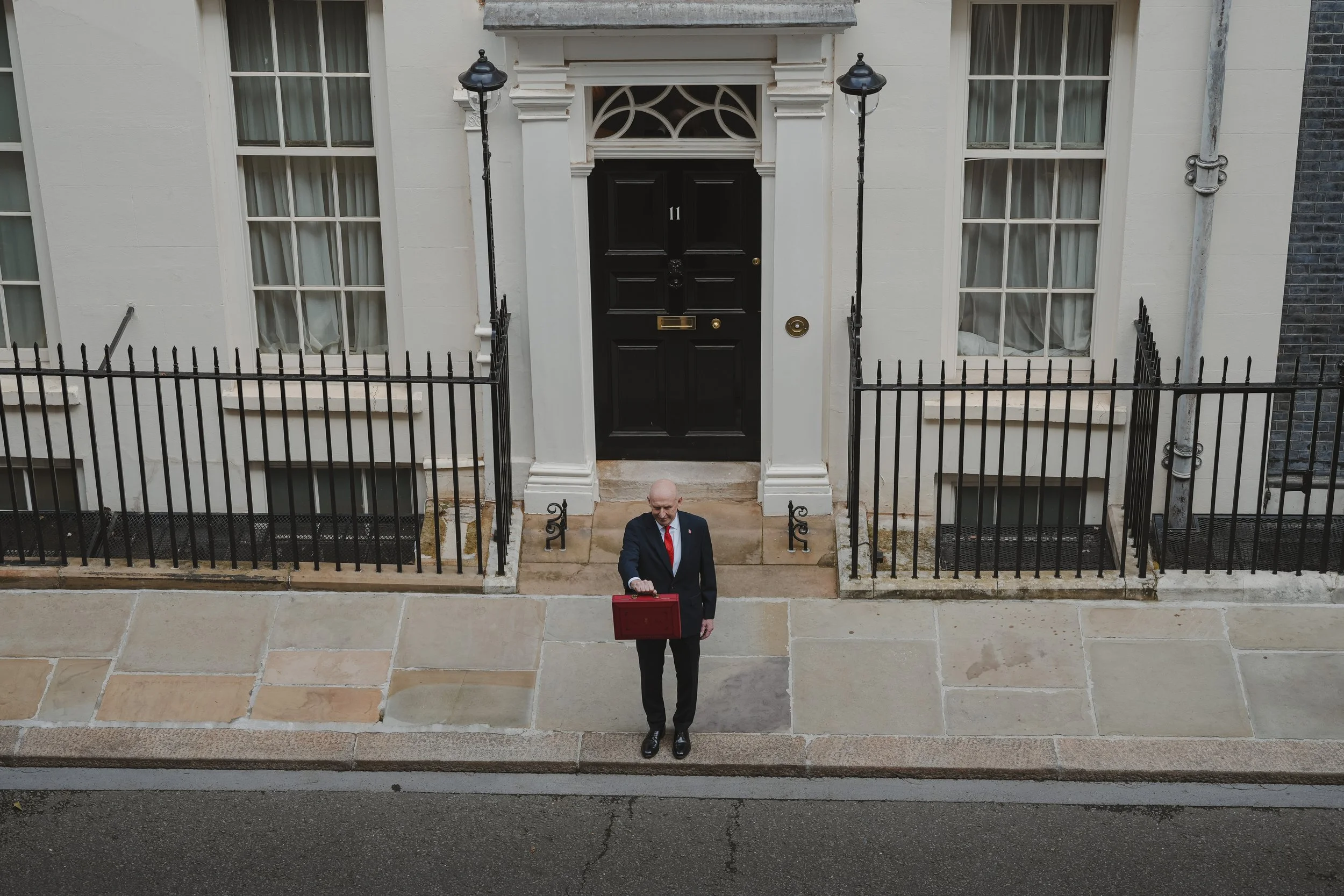
The Chancellor delivered his first Budget on 28 October 2026. Despite considerable speculation ahead of the Budget, there were no changes to the main rates of Capital Gains Tax (CGT) or the annual exempt amount, although changes were announced to some of the CGT reliefs available to business owners.
The Government has also reversed its previously announced proposal to restrict Cash ISA subscriptions for individuals under age 65 to £12,000 a year from April 2027. This restriction will no longer go ahead.
There was, however, a further increase to the future rates of Income Tax applying to savings and property income. A two percentage point increase had already been announced from 6 April 2027, and the Budget added a further two percentage points. As a result, from 2027/28 the basic, higher and additional rates applying to savings and property income will be 24%, 44% and 49% respectively, compared with the current 20%, 40% and 45%. The Personal Savings Allowance and Starting Rate Band remain unchanged.
If you do have any questions or wish to discuss any impact to your own circumstances, please do get in touch with your adviser on 01423 223640 or advice@prosperis.co.uk
The summary below highlights the Budget announcements.
Cash ISA allowance stays at £20,000. The planned cut is dropped
Savings and property income tax rises to 24%, 44% and 49% from April 2027
Pension Tax Allowance starts in April 2027. State Pension uprating changes from 2030
New Founders’ Relief is proposed, while the Business Asset Disposal Relief limit falls to £500,000
Initial investment relief improves, but the main annual writing-down rate is cut
Bank tax surcharge doubles for 15 months. Regulatory reforms remain in progress
A new first-home ISA from 2029, alongside changes to pension death-benefit taxation
Keeping savers free to choose cash and removing unnecessary rules are welcome. Higher taxes on interest, rent and many business sales move in the opposite direction.
A difficult outlook for the public finances
The Office for Budget Responsibility (OBR) expects growth of 1.2% in 2026 and 1.0% in 2027 with inflation averaging about 3.4% next year. It forecasts a record tax burden of 38.6% of GDP by 2031–32. The government has around £15bn of room against its current budget target in 2029– 30, with a 56% chance of meeting it. Borrowing rises in the near term before later measures bring it down. Households and businesses should allow for inflation and borrowing costs to stay higher for longer.
More tax on savings and rent
| Income | New rates | From April |
|---|---|---|
| Savings | 24% / 44% / 49% | 2027 |
| Property | 24% / 44% / 49% | 2027 |
The rates rise by another two percentage points on top of the increases already announced for April 2027. Savings rates apply across the UK. The property rates apply in England, Wales and Northern Ireland. Dividend tax rates are unaffected by this measure.
Cash ISA choice preserved
The £20,000 cash ISA limit stays for adult savers, the planned £12,000 cap will not take effect. Savers can continue to choose between cash and investments according to their needs and willingness to take risk. The government will explore an incentive for first-time stocks & shares ISA investors. Its terms and start date have yet to be confirmed.
Household costs & support
Eligible households in Council Tax bands A–D in England will receive £100 from January 2027. Electricity VAT relief in Great Britain and fuel-duty relief continue until July 2027. The Government wants gas standing charges abolished by the end of 2027. The costs would move into unit prices.
Pensions & Estate planning (A narrow tax reduction for pensioners)
The Pension Tax Allowance delivers the earlier promise to prevent small tax bills where total income is no higher than the full new State Pension. It applies automatically from 6 April 2027 to 5 April 2030 to those who have already reached State Pension age, or who reach it during the tax year.
In 2027–28, full relief applies up to £13,036.40, with a maximum tax reduction of about £94. It falls by £1 for each £3 of extra income and disappears at £13,319. The limits rise with the State Pension over the next two years. The £12,570 Personal Allowance stays unchanged and the State Pension remains taxable. Other pensions, earnings, interest and rent count towards the income test. ISA income does not. A little extra income could reduce or remove relief.
The triple lock changes from 2030
The existing triple lock continues through April 2029. From April 2030, the State Pension rises by the highest of 2.5%, inflation, or the increase needed to preserve its April 2029 value relative to earnings. This limits the present system’s upward ratchet. The government links this to a National Care Service in England and personal carefree at the point of use. Controlling pension costs is welcome but the care promises still need funding and clear limits. Retirement plans should not assume future care costs disappear.
Saving for a first home
A First Time Buyer ISA is planned for April 2029, replacing the Lifetime ISA. Annual payments of up to £4,000 count towards the overall ISA limit. A qualifying purchase earns a 25% bonus on the final balance, capped at £20,000. The property limit remains £450,000. Accounts can be opened from age 18, with no upper age limit. Savers must hold them for a year and buy with a mortgage. Cash and investment versions are planned. Existing Lifetime ISAs can continue, but transfers between the products are barred. From 29 October 2026, the Lifetime ISA withdrawal charge falls to 20% for a first-home purchase above £450,000 that meets the other rules. This recovers the bonus without penalising the saver’s original contribution. Other unauthorised withdrawals still attract a 25% charge.
Inherited Pensions and Death Benefits
Most unused pension funds and death benefits will count towards the inheritance-tax estate for deaths from 6 April 2027. That legislation is already in place. Today’s changes concern administration, including allowing prospective personal representatives to direct schemes to pay HMRC when the conditions are met.
There is also relief for late death-benefit payments. For payments made from 28 October 2026, otherwise tax-free benefits will no longer become taxable just because the scheme pays more than two years after it knew, or should reasonably have known, of the death.
Inheritance tax and the beneficiary’s income tax are separate charges. Bringing a pension into the estate does not replace the income-tax rules, and estate allowances and exemptions can still prevent an IHT bill. Transfers to spouses and civil partners remain important. Removing the charge for late payment is welcome, but pension IHT still adds tax and administration to retirement saving.
Changes for pension schemes
Planned tax legislation would let more defined contribution pension transfers retain existing pension-age and lumpsum protections. It would also support guided retirement and allow retirement-only collective schemes to offer a switch to drawdown within a set period. Trustees should invest for members’ benefit, without pressure to back government priorities.
Trust liabilities
For deaths and other chargeable events from 28 October 2026, new rules restrict deductions for certain trust debts. Anyone with trust borrowings should review how the rules affect the estate, alongside pension nominations and the cash needed to pay tax.
The surcharge on high-value homes
The surcharge on English homes worth £2 million or more is still due from April 2028. The owner will generally be liable. Today’s proposals allow payment to be deferred in specified low-income, low-capital or disability circumstances. Deferral delays the bill rather than cancelling it. Interest and other details remain to be settled.
A proposed 100% premium would double the surcharge on substantially unfurnished homes that have been unoccupied for at least 12 months. Owners need to plan for both the annual cost and any deferred amount that will eventually have to be repaid